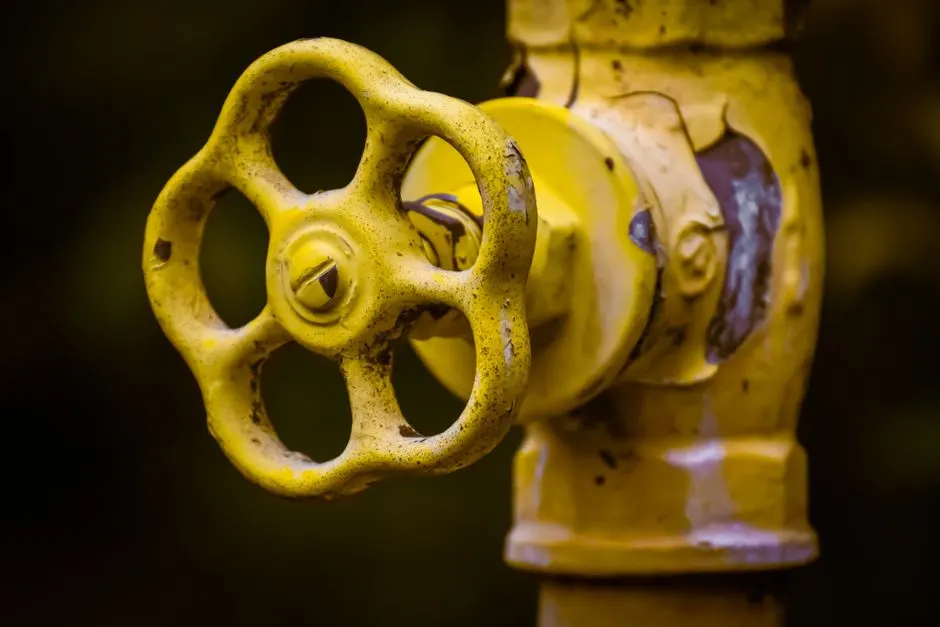
Shutting off your water main means turning the main valve clockwise until it stops, which cuts every drop of water flowing into your home. In most West Valley City houses that valve sits within 3 feet of where the supply line enters the foundation - a basement wall, a crawlspace, or an exterior box near the front hose bib. Do it before a leak spreads and you avoid the $3,500 to $9,000 repair bill that a two-hour flood typically creates.
We have walked into hundreds of West Valley City homes where a homeowner stood in ankle-deep water holding a wrench, unsure which valve to turn. This guide shows you exactly where your shut off is, how to kill the flow in under two minutes, and what to do next.
Where Your Water Main Shut Off Valve Usually Is in West Valley City
Your water main shut off valve in West Valley City is almost always on the supply pipe within 3 feet of the point where it pierces the foundation wall. In homes built before 1985 - which is a big chunk of the housing stock between 3500 South and 4100 South - that pipe usually enters through the basement wall facing the street. Newer builds in the western subdivisions often route it through a mechanical closet or a crawlspace access panel.
Walk your house and check these five spots in order:
- Basement front wall - look for a brass or copper valve on a pipe coming through the concrete, about 12 to 18 inches off the floor.
- Crawlspace hatch - many 1960s and 70s ramblers put the valve just inside the access door.
- Utility room or mechanical closet - common in homes built after 1995.
- Exterior curb box - a round concrete or plastic lid near the sidewalk, usually 8 to 12 inches in diameter.
- Under the kitchen sink or in the garage - rare for the main, but some plumbers tee it there.
If you cannot find it in ten minutes, call the city water department. They will tell you where the meter sits, and the main valve is always within a few feet of it.
How Do I Shut Off the Water Main in West Valley City UT?
Turn the valve handle clockwise - righty-tighty - until it will not move any further. For a ball valve with a lever handle, rotate the lever a quarter turn so it sits perpendicular to the pipe. For a round gate valve, you will crank it five to seven full rotations. Either way, the water stops in under 30 seconds once the valve seats.
Here is the sequence we teach every homeowner:
- Open a cold tap on the lowest floor first. This drains pressure and tells you when the water has actually stopped.
- Turn the main valve clockwise. Use a firm grip - a 12-inch adjustable wrench helps on stiff gate valves.
- Listen and watch the tap. Flow should taper to a trickle and stop within 20 to 30 seconds.
- Shut off the water heater. If it is gas, turn the dial to pilot. If electric, flip the breaker. A drained tank with the element still on burns out in minutes.
- Open every faucet in the house to drain the remaining water in the lines and reduce pressure on the leak.
If the valve will not budge, do not force it with a cheater bar. Old gate valves snap at the stem, and then you have a geyser instead of a drip. Call us instead - our Emergency Water Removal west valley city UT team carries the tools to shut down a stuck valve without breaking it.
Why the First Two Minutes Matter More Than Anything Else
Water spreads across a basement floor at roughly 1 foot per minute on a flat slab, and it wicks up drywall at about 1 inch per hour. A supply line that fails at 60 PSI pushes 8 to 12 gallons per minute into your home. That is 240 gallons in 20 minutes - enough to soak carpet, baseboards, and the bottom 2 feet of every wall it touches.
Once drywall gets wet above the baseboard line, you are looking at tear-out, not just drying. Mold can colonize wet drywall in 24 to 48 hours in a humid Utah summer, and the cost jumps from a $1,200 drying job to a $6,000 rebuild. That is why we tell every homeowner the same thing: the valve is worth more than the mop.
We see this pattern constantly across Residential Water Damage Restoration west valley city UT calls - the leak was small, but the homeowner spent four minutes looking for the valve and forty minutes mopping before they found it.
Common Mistakes That Turn a Drip Into a Flood
The single biggest mistake is not knowing where the valve is until water is already on the floor. Everything else on this list is secondary to that one.
- Turning the wrong valve. The water heater supply valve and the main look similar. The main is on the pipe coming through the wall, not the pipe feeding the tank.
- Forcing a stuck gate valve. A snapped stem means water you cannot stop until the city shuts the curb stop.
- Shutting the main but leaving the water heater on. A dry tank with a live element burns out in under 5 minutes.
- Not draining the lines. Residual pressure keeps feeding the leak for another 10 to 15 minutes.
- Using the curb stop as your everyday shut off. That valve belongs to the city. If you break it, you pay for the repair - often $800 or more.
- Ignoring the leak after the water stops. Standing water under flooring keeps damaging the subfloor for days.
We have also seen homeowners shut off the main and then turn it back on to "test" it, only to flood the room a second time. Do not do that. Leave it off until a plumber has repaired the line.
What to Watch Out For After You Shut the Water Off
Once the water is off, the damage clock is still running. Water trapped under vinyl, tile, or carpet keeps feeding mold and rot for days, and the subfloor can delaminate within 72 hours.
Look for these signs that the leak did more than wet the floor:
- Soft or spongy spots in the subfloor when you walk across them.
- Wicking lines on drywall - a visible tide mark 4 to 12 inches above the baseboard.
- A musty smell within 24 hours, which usually means mold has already started.
- Cupped or buckling hardwood - the boards lift at the edges within 48 hours of saturation.
- Bubbling paint or wallpaper on the wall opposite the leak.
If you see any of these, the water has traveled further than the visible puddle. A Moisture Detection Services west valley city UT visit uses thermal imaging and pin meters to map exactly how far the moisture has spread - usually within 45 minutes of arrival.
When to Call a Professional
Call a professional the moment the water is off but the damage is more than a small towel can handle - anything over 10 square feet of wet flooring, any wet drywall, or any leak that ran longer than 15 minutes.
At West Valley RestorePro, we handle the whole sequence: locate the source, extract standing water, dry the structure, and repair what the moisture ruined. Our technicians carry truck-mounted extraction units that pull 20 to 30 gallons per minute, and we set up commercial dehumidifiers and air movers the same day. We also work directly with your insurance adjuster so you are not stuck emailing photos at midnight.
For a burst or frozen line, we can also handle Burst Pipe Water Damage Restoration west valley city UT alongside the drying work, so you are not juggling two contractors. If the leak came from a toilet or supply line under a sink, our Plumbing Leak Water Damage Restoration west valley city UT crew handles the repair and the cleanup in one visit.
Frequently Asked Questions
Where is my water main shut off valve in West Valley City?
It is within 3 feet of where the supply line enters your foundation - usually the basement front wall, a crawlspace hatch, or a mechanical closet. Homes built before 1985 in West Valley City most often have it on the basement wall facing the street.
How do I shut off the water main in West Valley City UT?
Turn the valve clockwise until it stops. A lever-style ball valve needs a quarter turn; a round gate valve needs five to seven full rotations. Open a cold tap on the lowest floor first so you can confirm the flow has stopped.
What happens if I don't shut off the water main in West Valley City Utah?
A failed supply line pushes 8 to 12 gallons per minute into your home. In 20 minutes that is 240 gallons - enough to soak carpet, wick up drywall, and trigger mold growth within 24 to 48 hours. Repair costs jump from about $1,200 to $6,000 or more.
Who can help me shut off my water main in West Valley City?
Call West Valley RestorePro at (385) 513-0450 for a stuck or broken valve - we carry the tools to shut it down without snapping the stem. If the valve is on the city side, call the West Valley City water department instead.
How often should I test my main shut off valve?
Once a year, in early fall before the first freeze. Turn it a quarter turn and back, then check for drips at the packing nut. A valve that has not moved in five years is the one most likely to seize when you actually need it.
Get Help With Water Damage Restoration in West Valley City
If the water is already on the floor, we can be at your door with extraction and drying equipment the same day. Our Water Damage Restoration west valley city UT team handles everything from a single wet room to a full basement flood.
Call West Valley RestorePro at (385) 513-0450 - we answer 24/7 and we quote the job upfront before we start.