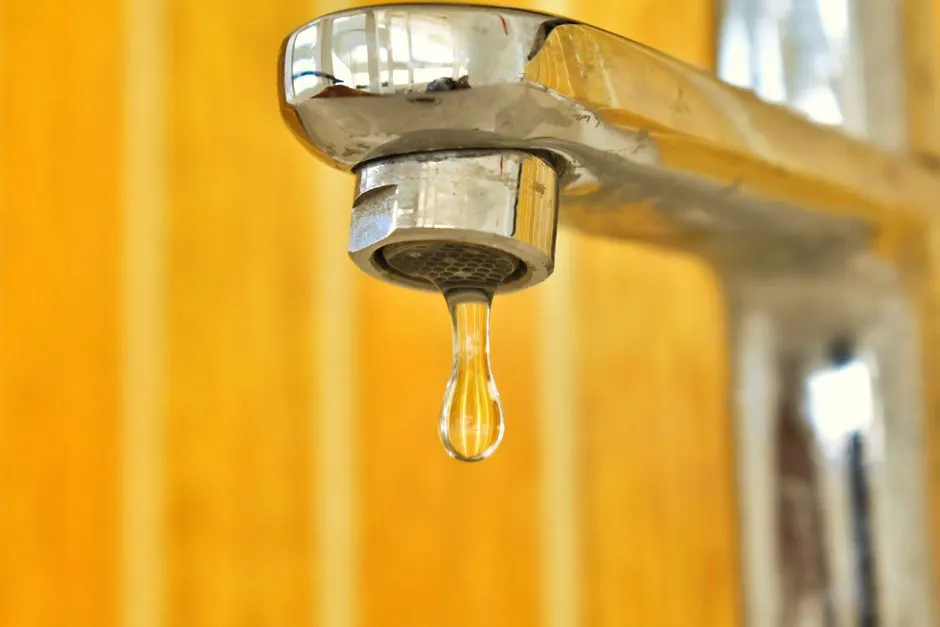
A leaking water heater needs three things done in order: shut off the water supply, kill the power or gas, then get the standing water out before it soaks into drywall and subfloor. The first hour matters more than the next three days. If you do nothing else, close the cold-water inlet valve on top of the tank and cut power at the breaker. That stops the leak from getting worse while you figure out the rest.
We handle water heater leak cleanup in West Valley City every week, and the pattern is always the same: a slow drip behind the tank turns into a buckled floor and a musty smell within 48 hours. This post walks through the exact steps we take, the mistakes that cost homeowners thousands, and when it is time to call in a crew.
Shut Off the Water and Power First
Shutting off the water and power at the source is the single step that limits water damage from a water heater leak in West Valley City, Utah more than anything else you do afterward. A 40-gallon tank under normal house pressure can push 4 to 8 gallons per minute through a failed fitting. That is 240 gallons in half an hour.
Here is the order we use:
- Close the cold-water inlet valve on top of the tank. Turn it clockwise until it stops.
- Kill the power at the breaker panel for an electric unit, or turn the gas control knob to "pilot" or "off" for a gas unit.
- Open a hot-water faucet at the nearest sink to relieve pressure and speed up draining.
- Connect a garden hose to the drain valve at the bottom and run it to a floor drain, utility sink, or outside.
If the valve is seized or the leak is coming from the tank itself rather than a fitting, stop and call us. A tank that has rusted through cannot be patched. We see this most often in homes built before 1990, where the original plumbing has been patched a dozen times. If you are dealing with a failed tank or a broken line feeding it, our burst pipe repair west valley city team handles the pipe side while we handle the water.
Drain the Tank and Remove Standing Water
Draining the tank and extracting standing water is the step most homeowners skip, and it is the one that decides whether you replace a floor or just dry it. Once the inlet is closed, the tank still holds 40 to 80 gallons. That water has to go somewhere, and gravity will find every low spot in your floor.
For small puddles, a wet/dry shop vac works. For anything covering more than a few square feet, you need a truck-mounted extractor. We pull water at roughly 12 to 16 gallons per minute with our units, which is why a job that would take you four hours with a shop vac takes us 20 minutes.
Pay attention to where the water went, not just where you can see it. Water wicks under baseboards, into wall cavities, and through the seams of vinyl or tile. If your water heater sits in a basement or on a slab, check the lowest corner of the room. That is where it pools. Our water removal west valley city crews use thermal cameras and pin-type moisture meters to map the wet zone before we start pulling.
One more thing: if the water heater sits in a finished basement or near a finished wall, pull the baseboard on the wet side. It takes five minutes and saves the drywall behind it. We have seen a 2-foot section of baseboard hide 14 square feet of soaked drywall.
Dry Everything Within 24 to 48 Hours
Drying everything within 24 to 48 hours is the window that separates a cleanup from a restoration. Mold spores need three things: moisture, organic material, and time. You cannot remove the drywall or the wood framing, but you can remove the moisture. Miss the window and you are looking at remediation, not drying.
We set up a drying system based on the size of the wet zone, not a one-size-fits-all kit. A typical water heater closet with a 6-foot wet radius gets:
- 1 to 2 commercial dehumidifiers (LGR or desiccant, depending on ambient humidity)
- 3 to 5 air movers angled at 45 degrees to sweep the wet surface
- 1 injector-dry unit if water wicked into the wall cavity
We target 12 to 15 percent moisture content in wood framing and under 16 percent in drywall. Those are the numbers we log daily. If the readings are not dropping, the drying setup is wrong, not the weather. Our structural drying service west valley city runs 3 to 5 days on a typical water heater leak, sometimes 7 if the subfloor is saturated.
Utah's low humidity helps. In October, outdoor relative humidity in West Valley City runs 30 to 45 percent, which means we can sometimes use outside air to speed drying. In January, when it drops below 20 percent, we rely on heated drying to keep the process moving. Either way, the goal is the same: get the structure dry before the mold clock runs out.
Watch for Mold in West Valley City's Dry Climate
Mold growth after a water heater leak in West Valley City is possible within 24 to 48 hours, even in a dry climate, because the leak creates its own microclimate behind the tank. Utah's low outdoor humidity does not help when the moisture is trapped inside a wall cavity or under a vinyl floor. We find mold on the back side of drywall and on the bottom plate of framing more often than homeowners expect.
The signs are subtle at first: a musty smell in the utility room, a dark stain on the baseboard, or a soft spot in the drywall. By the time you see black spots, the colony has been growing for days. If you smell something earthy and cannot find the source, it is probably behind the tank.
We test every water heater leak job for mold before we close it out. If we find it, we contain the area, remove the affected material, and treat the framing. Our mold removal west valley city team handles that side of the job so you are not coordinating two contractors. For a leak that has been dripping for weeks, plan on a moisture inspection even if the floor looks dry. Our moisture inspection west valley city service finds water you cannot see.
Common Mistakes That Make Water Heater Leaks Worse
Most of the expensive water heater leak cleanups we get called to are not caused by the leak itself. They are caused by what the homeowner did in the first two hours. Here are the ones we see most.
- Running a shop vac and calling it done. A shop vac removes surface water. It does not remove water from the pad, the subfloor, or the wall cavity. If you can press a paper towel to the floor and it comes up damp, you are not done.
- Turning the water heater back on too soon. If the tank is empty or the leak is not fixed, you will burn out the heating element or crack the tank. Wait until the repair is complete and the tank is full.
- Leaving the wet/dry vac hose in the drain pan. That pan holds 2 to 3 gallons. If it overflows, you have a second leak.
- Pointing a box fan at the floor. Household fans move air but do not lower humidity. They can actually spread moisture to dry areas of the house.
- Ignoring the ceiling below. If the water heater is on an upper floor, check the ceiling below it. Water travels along joists and shows up 10 feet from the tank.
One more: do not assume your insurance will cover a leak that has been dripping for months. Most policies cover sudden and accidental discharge, not long-term seepage. Document everything with photos before you start cleanup.
When to Call a Professional
Call a professional when the water has spread beyond the immediate area around the tank, when the leak has been active for more than a few hours, or when you smell mold. Those three conditions mean the water has moved into the structure, and a shop vac and a fan will not fix it.
We also get called when the water heater itself needs to be replaced. A leaking tank is usually a failed tank, not a failed fitting. If the leak is coming from the tank body, the unit is done. We can coordinate the replacement with the cleanup so you are not waiting on two different crews.
West Valley RestorePro handles the whole job: we find the source, stop it, extract the water, dry the structure, and test for moisture before we leave. If you are not sure whether you need a pro, call us and describe what you see. We will tell you honestly whether it is a DIY job or a restoration job.
Frequently Asked Questions
What are the steps to clean up a water heater leak in West Valley City?
Shut off the cold-water inlet, kill the power or gas, drain the tank, extract standing water, and dry the area within 24 to 48 hours. Most jobs take 3 to 5 days of drying with commercial equipment. If you smell mold or the water spread into walls, call a restoration crew.
How do I limit water damage from a water heater leak in West Valley City UT?
Act within the first hour. Close the inlet valve, cut power, and pull standing water with a wet/dry vac or extractor. Then run dehumidifiers and air movers for at least 72 hours. Water that stays in drywall or subfloor for more than 48 hours usually means mold.
Who do I call for water heater leak cleanup in West Valley City, Utah?
Call a licensed water damage restoration company that handles both extraction and drying. West Valley RestorePro at (385) 513-0450 responds 24/7 and can be on-site the same day. We handle the cleanup, drying, and mold check in one visit.
Can a water heater leak cause mold in West Valley City?
Yes. Mold can start growing within 24 to 48 hours of a leak, even in Utah's dry climate, because the moisture is trapped behind the tank or under the floor. Musty smells and soft drywall are early signs. We test for mold on every water heater leak job.
How much does water heater leak cleanup cost in West Valley City?
Typical 2026 pricing for a small water heater leak cleanup runs $500 to $1,200, including extraction and 3 days of drying. If the leak reached the subfloor or caused mold, expect $1,500 to $3,500. We give you a flat price before we start.
Get Help with Water Damage Restoration in West Valley City
If your water heater is leaking right now, shut off the water and call us. We will be on-site the same day, extract the water, and start drying before the damage spreads. One call handles the cleanup, the drying, and the mold check.
Call West Valley RestorePro at (385) 513-0450 for 24/7 emergency water heater leak cleanup in West Valley City.